Teej Festival in Jaipur: Royal Procession, Laheriya and Monsoon Traditions
How Jaipur celebrates Teej in the monsoon, from swings and laheriya sarees to the royal procession through the old city.
Fun Kingdom
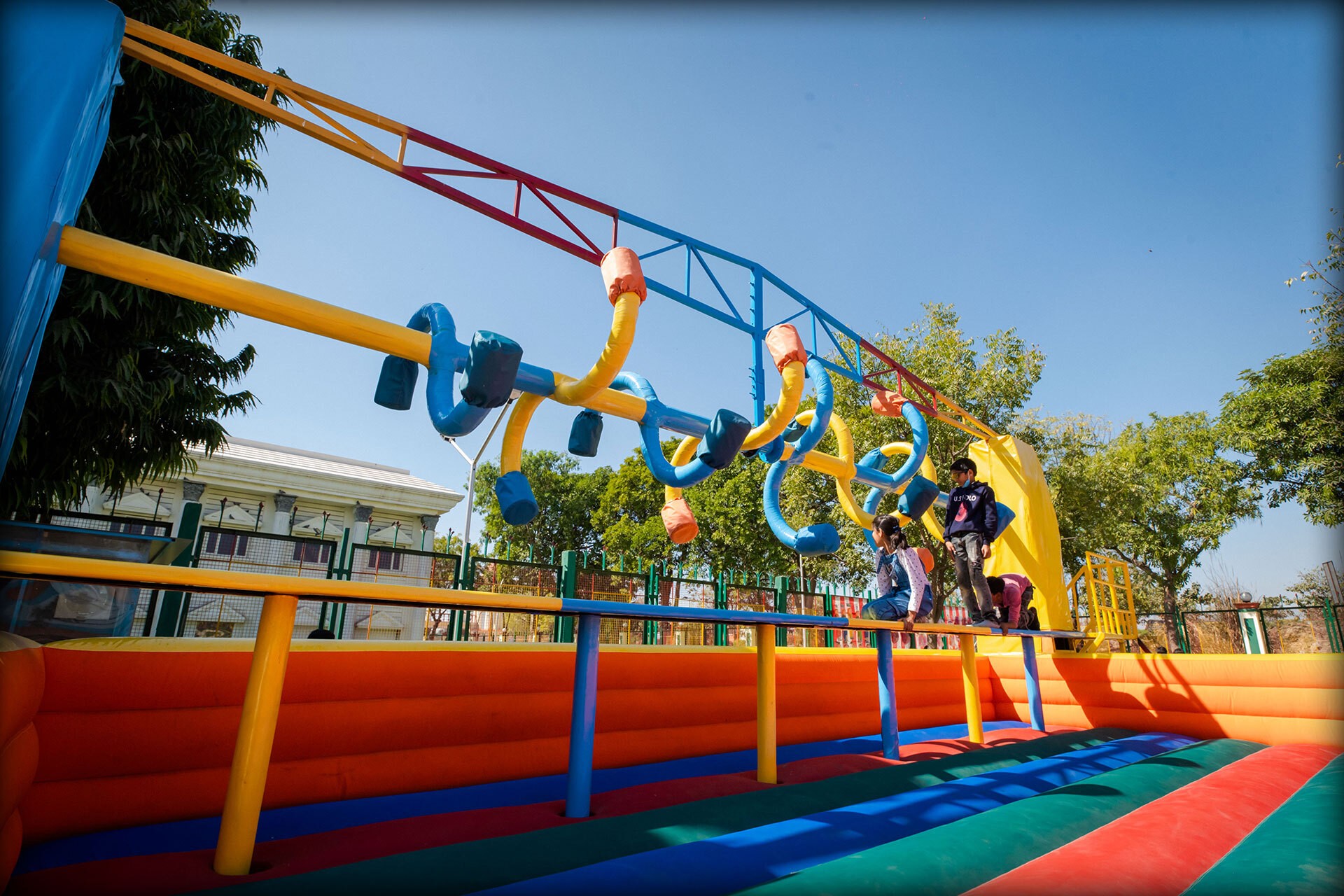
When the first monsoon rains reach Rajasthan, Jaipur celebrates with Teej. Swings go up under trees, markets fill with green and laheriya fabric, sweet shops stack ghevar high, and a royal procession winds through the old city. Here is how to enjoy it.
What is Teej?
Teej celebrates the arrival of the monsoon and honours Goddess Parvati and her union with Lord Shiva. It falls in the Hindu month of Shravan, usually July or August, so the date changes every year. Hariyali Teej, the "green" Teej, is the one Jaipur celebrates most grandly.
For women, Teej is a festival of prayer, song and celebration. Married women pray for their husbands' well-being, and girls pray for a good partner.
Traditions to look for
Laheriya: the wave-patterned tie-dye fabric of Rajasthan, worn especially in green and other monsoon colours.
Mehndi: intricate henna designs on hands and feet.
Swings (jhoolas): decorated with flowers and hung from trees, often with songs sung while swinging.
Ghevar: the honeycomb sweet that is everywhere during Teej and Gangaur.
Folk songs and dances in neighbourhoods and at cultural events.
The Teej procession route
Jaipur's royal Teej procession, called the Teej Sawari, carries the idol of Teej Mata through the old city on two days: Teej and Budhi Teej. One way to tell it apart from Gangaur: the Teej idol is carried under a canopy.
The procession traditionally starts from the Zanani Deodhi of the City Palace, near Tripolia Gate, and passes through Tripolia Bazaar and Chhoti Chaupar before ending near Talkatora. It features decorated elephants or camels, horses, palanquins, bullock carts, bands and folk performers.
Timings are announced each year by Rajasthan Tourism and the City Palace, so check closer to the date.
Tips for watching the procession
Arrive early and pick a spot along Tripolia Bazaar.
Carry a light rain layer. It is the monsoon, after all.
Look for a rooftop cafe for a calmer view with children.
Wear shoes with grip; monsoon streets can be slippery.
Keep kids close and agree a meeting point.
Expect traffic restrictions in the old city.
A monsoon day in Jaipur
Teej is a good excuse to explore Jaipur in the rains, when the Aravallis turn green:
Morning: Hawa Mahal and the bazaars. See our Hawa Mahal guide.
Afternoon: the Teej procession.
Next day: monsoon views from Nahargarh, or a family afternoon at Fun Kingdom between showers. Keep a rain layer; rides may pause for safety in bad weather.
More ideas are in the best things to do in Jaipur in monsoon and day trips near Jaipur during monsoon.
Shopping for Teej
The old city's bazaars are the place for laheriya sarees and dupattas, bangles, and festive accessories. Read our Jaipur shopping guide before you go.
Teej vs Gangaur
Teej | Gangaur | |
|---|---|---|
Season | Monsoon (Shravan, July to August) | Spring (Chaitra, March to April) |
Honours | Goddess Parvati | Gauri (Parvati) and Shiva |
Procession | City Palace to Talkatora, with a canopy over the idol | City Palace to Talkatora, no canopy |
Signature | Laheriya, swings, ghevar | Clay idols, ghevar |
Read the Gangaur festival guide and the full Jaipur festival calendar.
Frequently asked questions
When is Teej celebrated in Jaipur?
In the Hindu month of Shravan, usually July or August. The exact date changes each year.
Where does the Teej procession go in Jaipur?
It starts at the City Palace and passes through Tripolia Bazaar and Chhoti Chaupar before ending near Talkatora.
What do people wear on Teej?
Many women wear green and laheriya (tie-dye) sarees and apply mehndi.
What sweet is famous on Teej?
Ghevar, a honeycomb-like sweet sold across Jaipur during Teej and Gangaur.
Visiting Jaipur in the monsoon? Plan a Fun Kingdom day between the festivities.
Key Notes
Teej falls in the monsoon month of Shravan, usually July or August
Jaipur's Teej procession starts at the City Palace and ends near Talkatora, over two days
Look for laheriya (tie-dye) sarees, mehndi, decorated swings and ghevar
Carry a light rain layer and arrive early along the route

